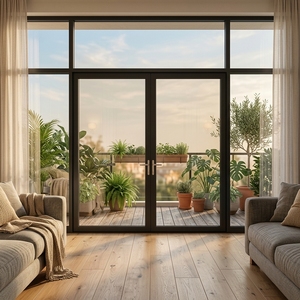
Factory-Direct Export Portfolio
Engineered Fenestration Systems Configured for High-Altitude Performance
From multi-chamber thermal breaks designed for temperature swings to certified impact entrance profiles, explore our project-verified systems tailored for Cochabamba real estate developments.
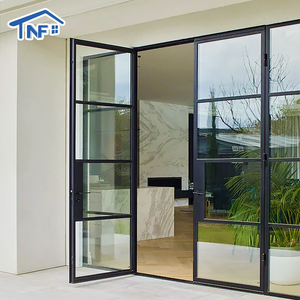
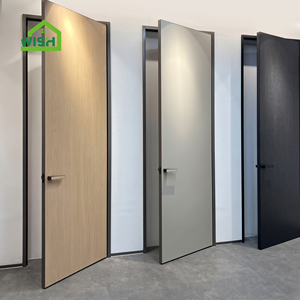
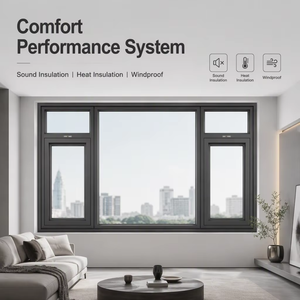
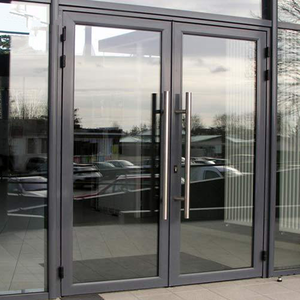
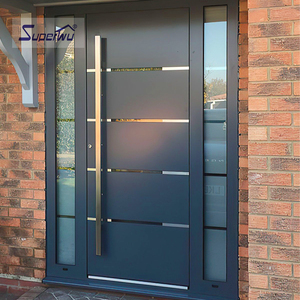
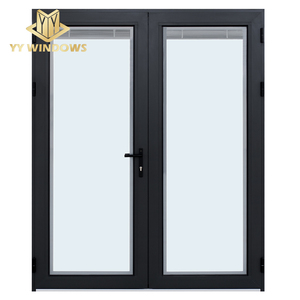
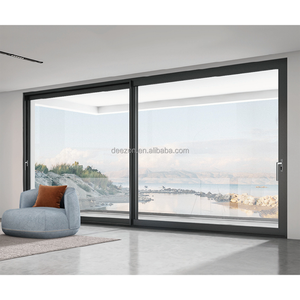
180,000 m²
Global Production Base
18,000+
Projects Completed Globally
100+
National Patents Owned
600+
Specialized Engineers & Staff
Targeted Engineering Context
Cochabamba Urban Realities & Architectural Envelope Applications
Positioned at 2,558 meters above sea level within a high-plateau valley, Cochabamba presents distinct structural physics: elevated solar irradiation, pronounced diurnal temperature swings, and specific valley wind dynamics.
High-UV Solar Control in Queru Queru & Tupuraya
Northern residential towers and contemporary penthouses in upscale districts face persistent, intense ultraviolet levels. Our specialized Low-E coated dual-pane IGUs combined with polyamide thermal breaks eliminate heat build-up during midday exposure while preventing bleaching of luxury interior fabrics and surfaces.
Valley Temperature Extremes & Thermal Inertia
Cochabamba’s “City of Eternal Spring” reputation conceals sharp thermal fluctuations: 28°C afternoons often drop below 5°C on winter nights. DERCHI’s 6063-T6 alloy frames integrate PA66 nylon thermal insulation bars and argon gas-filled cavities, eliminating envelope heat bridging and cutting HVAC electric demands by up to 42%.
Commercial Storefronts: Av. Ballivián (El Prado)
Retail and hospitality facades require expansive transparent sightlines without sacrificing security. Our commercial narrow-frame double-glazed storefronts feature heavy-duty multi-point perimeter latching and structural silicone glazing capable of withstanding heavy urban foot traffic and sporadic valley dust winds.
Market Intelligence Report
Emerging Fenestration Trends Across Bolivia's Metropolises
How modern commercial developments in Cochabamba, Santa Cruz, and La Paz are shifting from commodity profiles to certified architectural aluminum systems.
Over the past decade, the Bolivian construction sector relied heavily on non-thermal local extrusion systems (Standard Series 20 and 25) with single 4mm or 5mm float glass. However, accelerating real estate sophistication across Cochabamba has triggered a decisive paradigm shift toward engineered building envelopes. Modern corporate headquarters along Avenida América and high-density towers in Cala Cala now specify verified thermal performance criteria, acoustic decibel mitigation, and certified wind load calculations.
Furthermore, Bolivia’s sustainable urban building initiatives and rising municipal energy conservation codes favor high-performance assemblies. Architects are adopting minimalist visual margins (sightlines under 35mm) with ceiling-height sliding elements that blur interior living spaces with outdoor Andean terraces. To accommodate these designs safely at 2,500m+ altitudes, fenestration units require precision pressure-equalization valves to prevent glass deflection and seal failure caused by atmospheric pressure variations during transit and post-installation.
Manufacturing Authority
180,000 m² Facility Serving South American Landmarks
Guangdong Dejiyoupin Doors and Windows Co., Ltd. (DERCHI) operates one of Asia’s most advanced fenestration manufacturing bases in Foshan, China. Recognized as a "China Famous Brand" by Xinhua News Agency, DERCHI combines large-scale industrial output with bespoke architectural precision.
- Patented Security Integration: Exclusive Four-Side Six-Point Lock technology offering unmatched forced-entry resistance for commercial properties.
- Global Code Compliance: Systems engineered, tested, and certified under CE (Europe), NFRC (USA), AS2047 (Australia), CSA (Canada), and ISO 9001.
- 360° Quality Control Protocol: Every window assembly undergoes multi-axis optical frame alignment, water penetration testing, and pneumatic sealing checks prior to export packing.
- Proven Hospitality Portfolio: Trusted supplier for tier-one international developments, including Hilton Hotels and Atour luxury chains worldwide.
Our logistics division coordinates container loading directly to transshipment routes serving inland South American destinations via Chilean ports (Arica and Iquique), ensuring end-to-end cargo security and customs documentation support.
Contact Us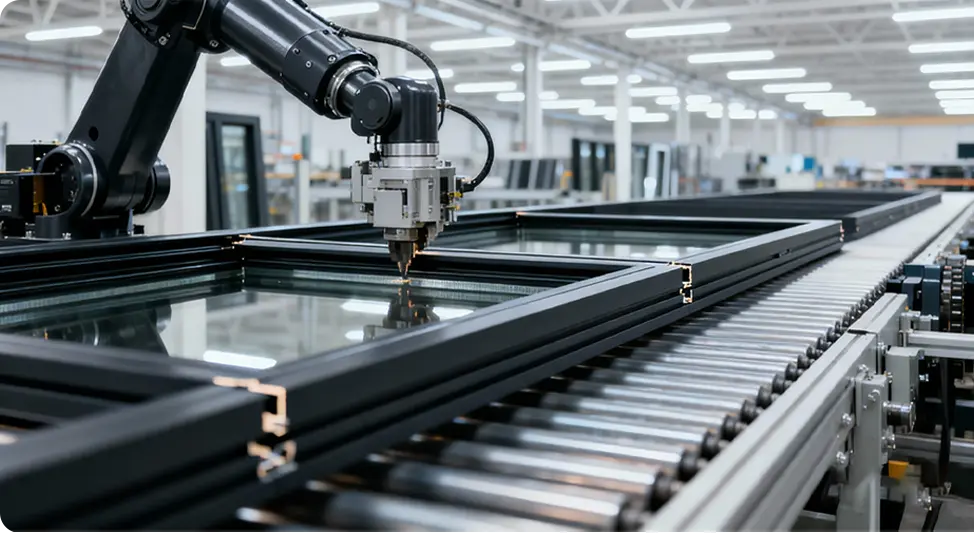
Cochabamba Procurement Guide
Frequently Asked Questions by Bolivian Developers & Importers
Addressing core technical, shipping, and engineering specifications for commercial fenestration imports into Cochabamba, Bolivia.
How do you ship windows to landlocked Cochabamba, Bolivia?
Shipments depart directly from our Foshan facility in sea containers routed to the Pacific deepwater ports of Arica or Iquique in northern Chile. From there, licensed bonded freight carriers transport the full container loads (FCL) over the paved highway corridor through Tambo Quemado directly to customs bonded depots in Cochabamba. We supply standardized export packing, reinforced steel-strapped crates, and full documentation to ensure seamless clearance.
How are double-glazed units protected from altitude pressure changes?
Cochabamba sits over 2,500 meters above sea level. Manufacturing sealed insulating glass units (IGUs) at sea level in Foshan without modification would cause pillowing or catastrophic glass explosion upon ascent. DERCHI incorporates specialized capillary breather tubes or altitude pressure-equalization valves in all IGUs shipped to Andean destinations, equalizing inner and outer chamber pressures before final on-site sealing.
Are your window profiles compatible with local seismic requirements?
Yes. Cochabamba lies within Bolivia’s intermediate seismic activity zone. Our commercial curtain walls and oversized window frames are fabricated with high-yield 6063-T6 architectural grade aluminum, utilizing heavy-wall structural mullions and EPDM perimeter gaskets that allow controlled inter-story structural drift and expansion movement without glass frame binding.
What is the typical production and delivery timeline for Cochabamba projects?
Once architectural CAD/DWG drawings and opening schedules are finalized, bespoke production in our Foshan intelligent plant takes approximately 30 to 40 days depending on project scale. Ocean transit to Arica/Iquique takes 32 to 38 days, followed by 4 to 7 days for inland transit to Cochabamba. We supply live production milestone tracking and inspection verification before container dispatch.
Can we order custom architectural colors and anodized finishes?
Yes. We offer complete custom surface finishing matching international RAL color standards, fluorocarbon PVDF coatings for extreme UV defense, and architectural anodized finishes up to 25 microns. All coatings undergo rigorous accelerated weathering tests to verify color stability under intense Andean sunlight.
Do you provide technical shop drawings and site installation guidance?
Every commercial order includes structural static calculations, sub-frame anchoring details, water drainage schematics, and elevation layout drawings. Furthermore, our project engineers provide remote video assistance and step-by-step installation manuals to ensure your local contractor achieves flawless alignment and weather tightness.