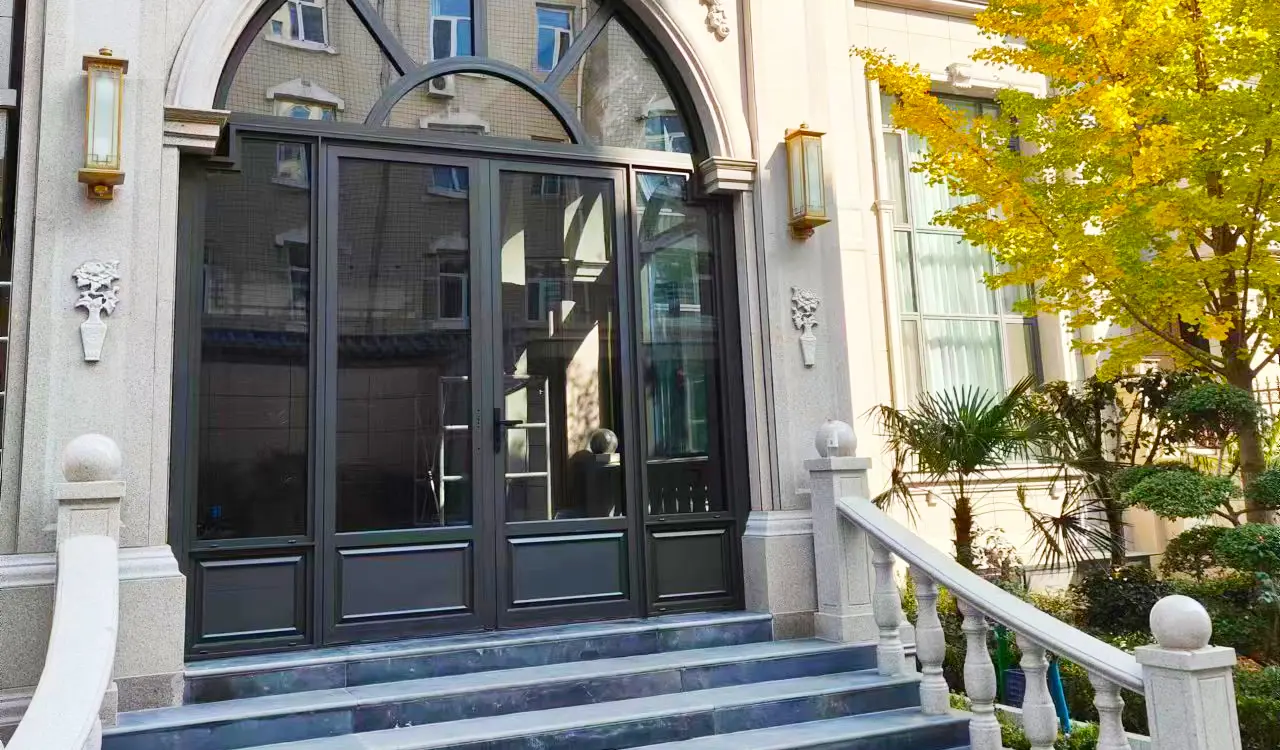
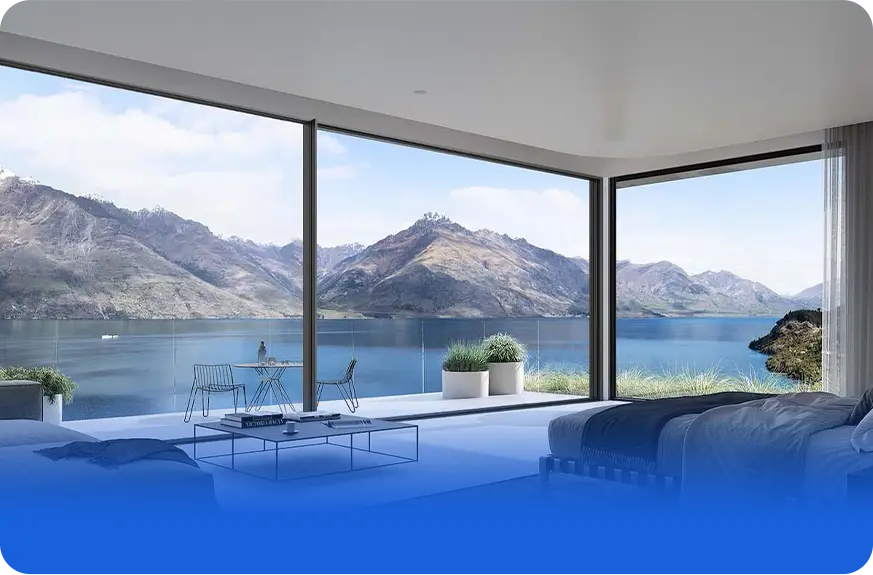
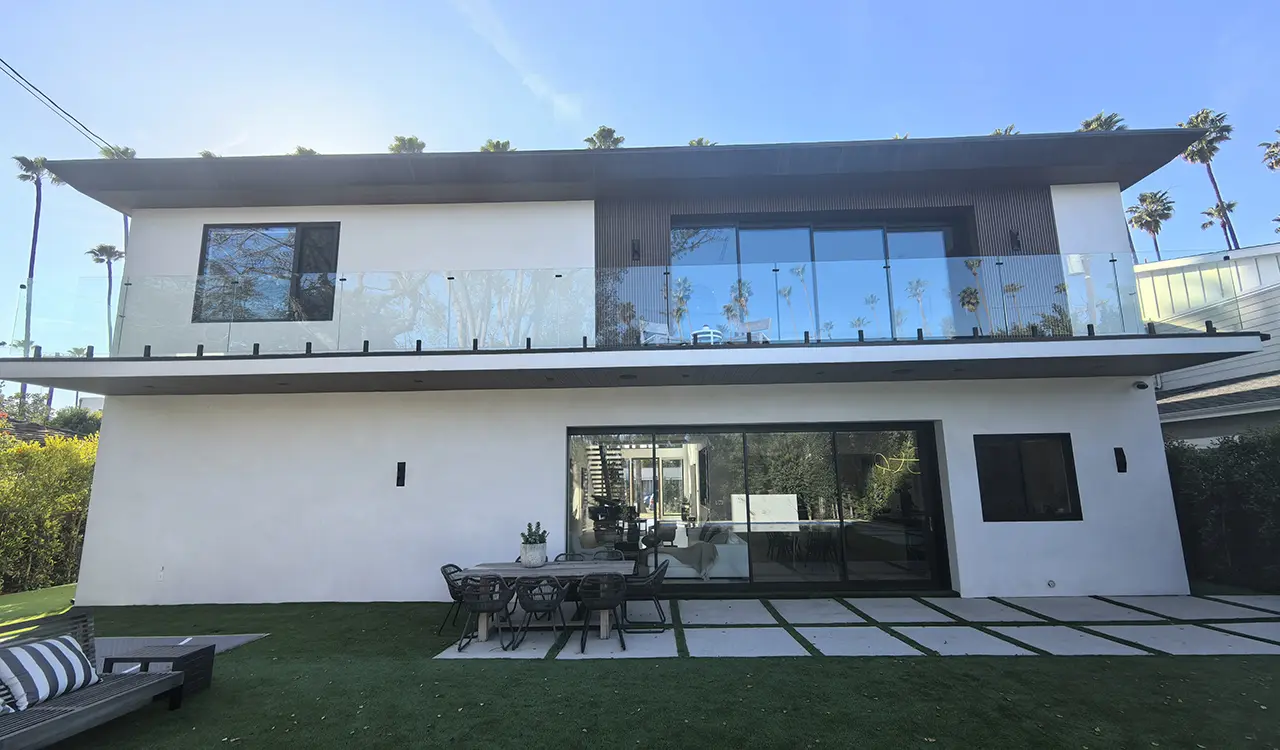
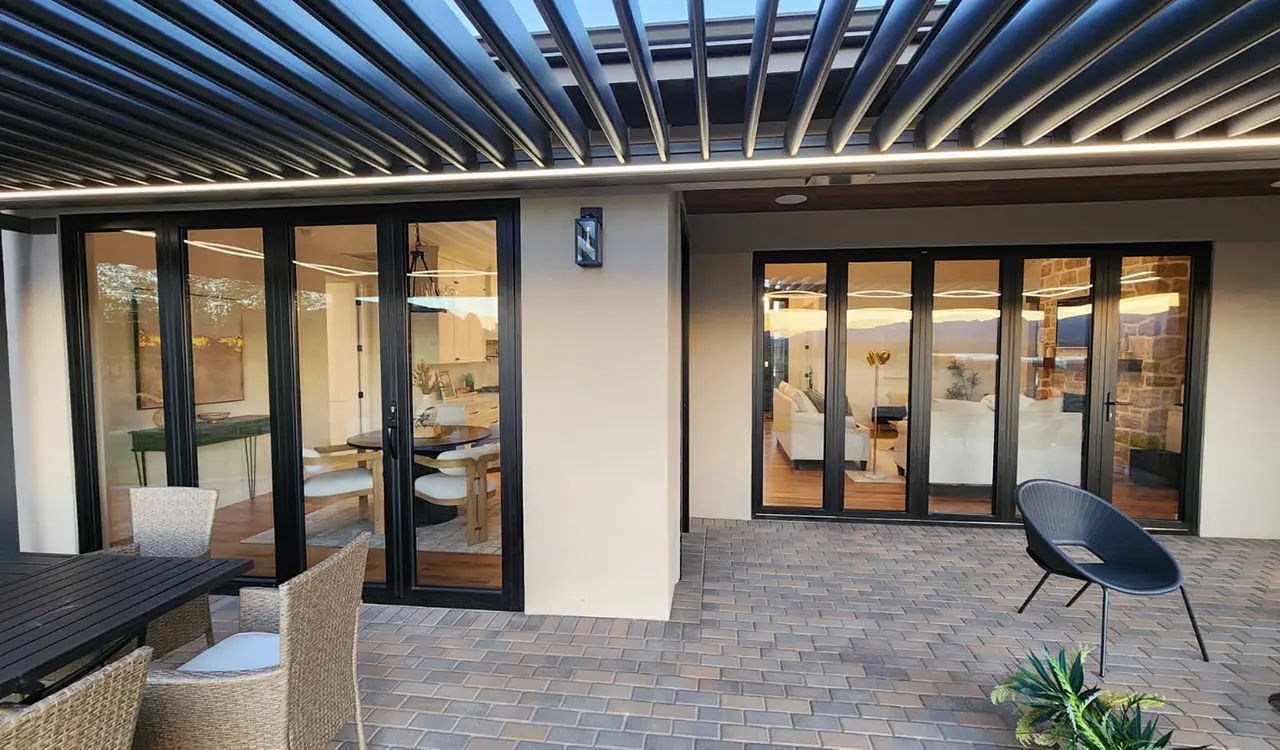
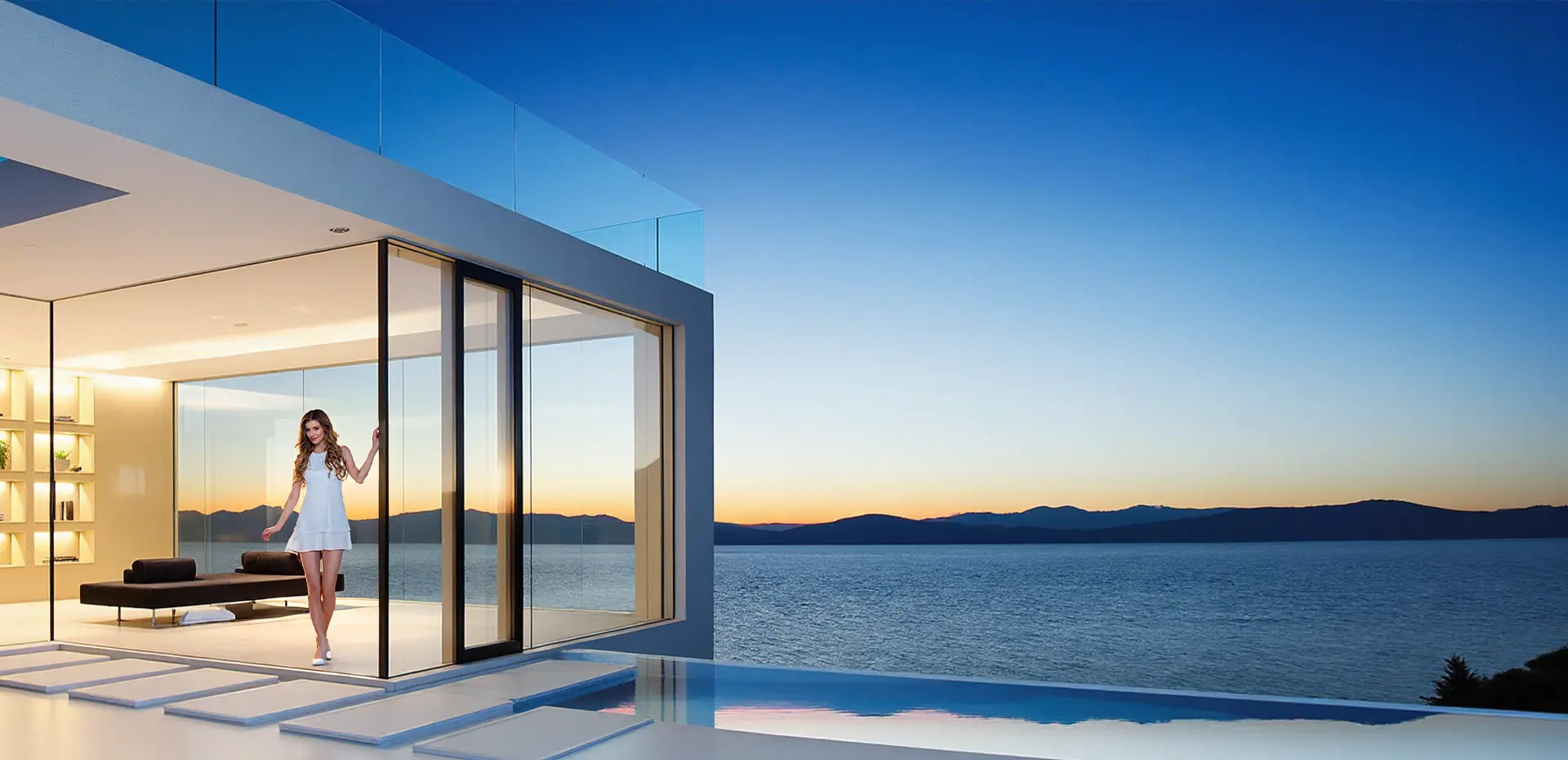
High performance hurricane impact windows installed in modern coastal villa
Direct Structural Engineering

Hurricane Impact Windows: The Complete Global Procurement & Engineering Guide

Certified missile-impact protection, DP100 structural resistance, and acoustic barrier engineering directly manufactured for commercial developments and coastal residences.

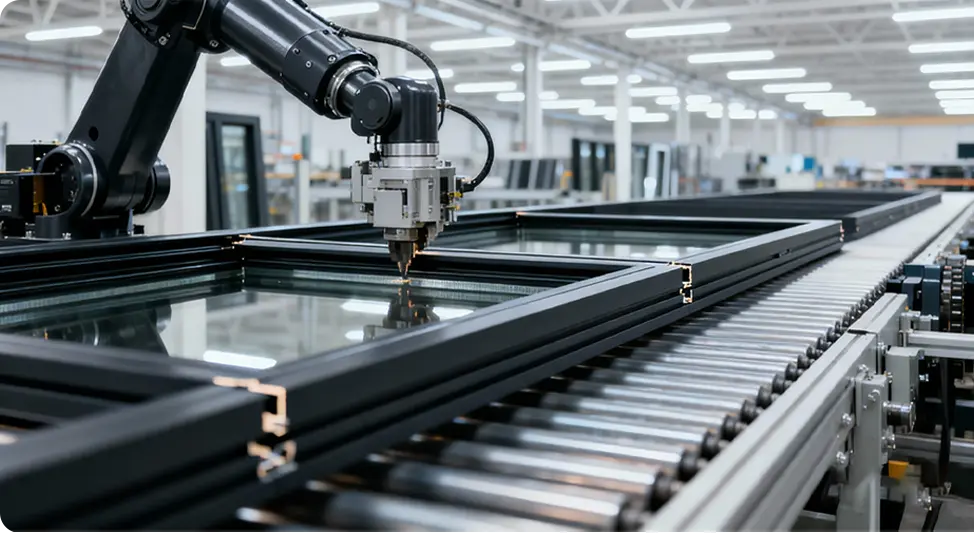
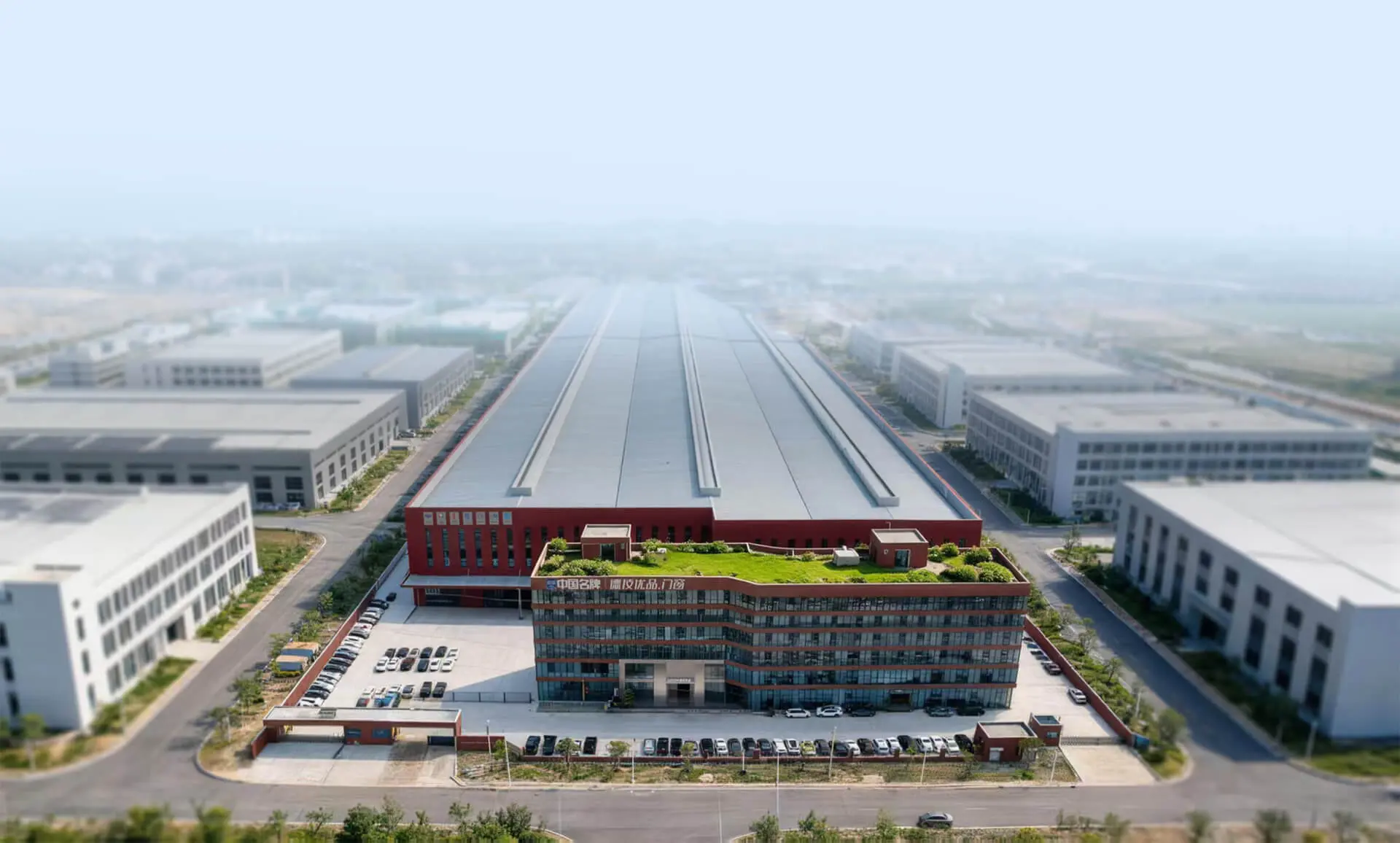
Guangdong Dejiyoupin Doors and Windows intelligent manufacturing production base
180,000 m² Advanced Manufacturing Facility

Certified Against Category 5 Storm Dynamics

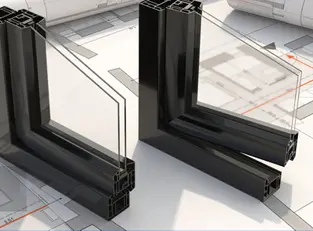
Thermally broken 6063-T6 architectural frames with automated multi-point interlocking assemblies.

Coastal commercial project engineered with DERCHI hurricane impact windows
Global Structural Verification

18,000+ Completed Projects Across 6 Continents

Delivering factory direct marine-grade storm envelopes with zero dimensional error.

ASTM E1886/E1996 · TAS 201/202/203 · SentryGlas® Ionoplast Interlayers · NFRC Thermal Verification

25+
Years Fenestration Experience
180,000m²
Intelligent Production Facility
100+
National Patents Developed
18,000+
Global Engineering References
600+
Skilled Production Personnel
1,000,000m²
Annual Manufacturing Capacity
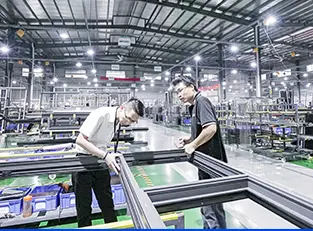
Precision manufacturing process of impact resistant architectural aluminum frames
DP 100+Max Certified Design Pressure
Structural Fenestration Physics

What Defines True Hurricane Impact Windows in Global Construction?

In international architectural procurement, Hurricane Impact Windows are fundamentally distinguished from standard tempered fenestration by their capacity to retain structural envelope integrity during cyclic positive and negative pressure variations and direct projectile impacts. Manufactured by Guangdong Dejiyoupin Doors and Windows Co., Ltd., our systems combine thick-wall 6063-T6 aluminum alloys with multi-layer polyvinyl butyral (PVB) or SentryGlas® Plus (SGP) ionoplast interlayers.

When high-velocity wind loads shatter the outer sacrificial glass lite, the specialized internal interlayer flexes yet remains fully anchored inside the heavy-duty structural glazing channel. This critical elastomeric retention prevents interior pressure pressurization—the primary mechanical cause of complete roof separation and structural collapse during Category 4 and 5 hurricanes. Every frame is backed by structural calculations and deflection limits (L/175 and L/240), providing uncompromised life-safety protection.

Contact Us
Engineering Specifications

Comparative Analysis of Impact Glass Technologies

An engineering evaluation of glass composite options for coastal and tropical zone construction projects.

Interlayer / Build Type Tensile Strength Missile Impact Class Post-Break Rigidity UV & Salt Spray Resistance Optimal Project Applications
Standard PVB (0.76mm - 1.52mm) Approx. 20 MPa ASTM Missile Level C (Light Commercial) Flexible; slumps upon continuous high wind loads Moderate (risk of edge delamination in continuous salt-fog) Low-rise residential inland & secondary wind zones
Structural SGP Ionoplast (SentryGlas®) Approx. 100 MPa (5x Stiffer) ASTM Missile Level D & E (Severe Storms) Superior; remains upright and taut even if both panes break Exceptional (Impervious to moisture-induced edge haze) Oceanfront towers, hospitals, high-end ocean villas
Insulated Impact Glass (IGU + Laminated) Composite Hybrid ASTM Level D + NFRC Certified Thermal High structural recovery with gas retention Dual-sealed PIB primary & structural silicone secondary High-temperature coastal zones, zero-carbon villas
Guangdong Dejiyoupin Doors and Windows Co., Ltd. enterprise manufacturing facility Factory Tour Video
Enterprise Manufacturing Authority

Guangdong Dejiyoupin Doors and Windows Co., Ltd.: Engineered Reliability

Certified as a "China Famous Brand" by Xinhua News Agency, we operate a 180,000 m² smart production base in Foshan, Guangdong, serving as an authoritative global partner for hurricane fenestration systems.

1,000,000 m² Annual Output

100+ Patented Solutions

International Compliance (CE/NFRC)

Patented 4-Side 6-Point Security

Contact Us
Proven Field Experience

18,000+ Completed Projects Across Global Storm Belts

Engineered to survive extreme hurricane seasons from the Caribbean archipelago and Florida coastlines to South American and Pacific typhoon zones.

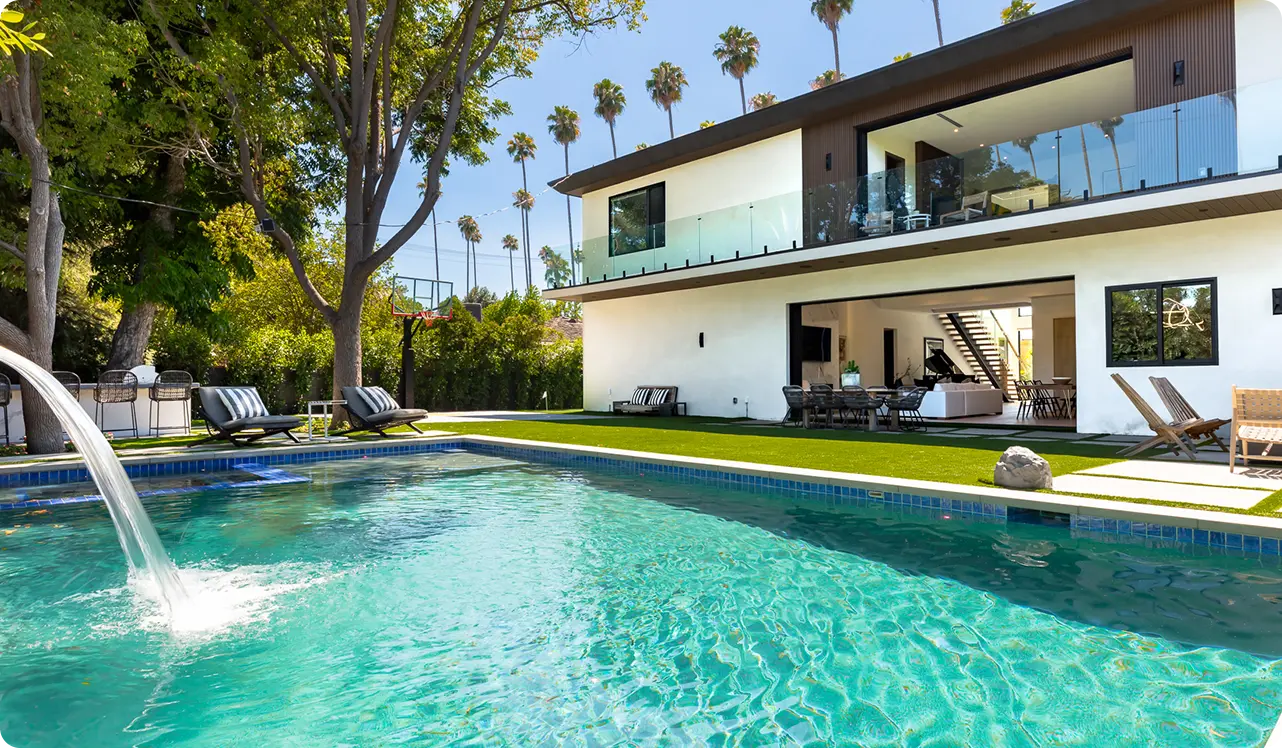
Coastal luxury development equipped with DERCHI hurricane impact windows
Coastal South AmericaHurricane-rated residential villas
High rise hotel facade with hurricane impact glass envelope
Commercial HospitalityHilton & Atour Hotel projects
North American coastal residential estate featuring impact glazing
North America CoastalNFRC & ASTM tested installations
European coastal architectural estate
European Maritime ZonesCE certified impact thermal systems

Our engineering services encompass CAD shop drawings, structural wind load analysis, FEA glass stress calculations, finite mullion deflection tests, and comprehensive installation manuals for overseas contractors.

Contact Us
Zero-Defect Quality Control

Our Rigorous 8-Step Impact Window Manufacturing Process

How Guangdong Dejiyoupin Doors and Windows Co., Ltd. eliminates dimensional errors and guarantees wind load compliance on overseas shipments.

Architectural drawing and elevation review
01

Elevation Analysis

Detailed evaluation of structural schedules and wind-load specs.

Structural engineering and glass calculation
02

Pressure Modeling

Calculating positive/negative design pressures (DP) and mullion thickness.

Technical quotation and profile configuration
03

Shop Drawings

Formulating complete CAD fabrication packages with mill tolerances.

Specification and hardware lock confirmation
04

Component Vetting

Selecting 316-marine stainless hardware and heavy structural glazing tape.

Production schedule and raw material allocation
05

Order Inception

Allocating primary 6063-T6 virgin aluminum billets for precision extrusion.

Precision automated CNC profile cutting
06

CNC Machining

Dual-head compound miter sawing ensuring joint angular precision <0.1mm.

360 degree factory quality inspection
07

360° Quality Control

Air-tightness, corner-shear, glass deflection, and seal continuity tests.

Export crating and installation guidance
08

Ocean Crating

Fumigated solid steel-reinforced plywood crating with desiccant protection.

Procurement FAQ

Crucial Questions Global Buyers Ask About Hurricane Impact Windows

Answers to key technical, logistical, and commercial inquiries gathered from overseas developers, general contractors, and importing distributors.

Contact Us

What is the difference between standard tempered glass and hurricane impact glass?

Standard tempered glass undergoes a controlled thermal tempering process, making it 4-5 times stronger than annealed glass; however, upon sufficient impact from flying debris, tempered glass shatters completely into blunt pebbles, creating an instantaneous breach in the building envelope. In contrast, Hurricane Impact Glass combines two or more sheets of heat-strengthened or tempered glass bonded permanently under heat and pressure with a resilient polymer interlayer (such as 1.52mm PVB or SentryGlas® SGP). Even if both glass layers shatter upon projectile impact, the elastomeric interlayer maintains structural integrity, adhering to the broken fragments, blocking gale-force winds, water ingress, and catastrophic interior air pressurization.

What does Design Pressure (DP) rating mean for Hurricane Impact Windows?

Design Pressure (DP) is a numerical measure of a window's structural capacity to withstand three primary forces: positive wind load (pushing toward the building), negative wind load (suction pulling away from the building), and hydrostatic water penetration resistance. Expressed in pounds per square foot (psf) or Pascals (Pa), a DP50 window is rated to survive 50 psf of uniform structural load (equivalent to approximately 225 km/h wind velocity), while high-performance DP80 or DP100 windows withstand over 300 km/h wind speeds. Our engineering department at Guangdong Dejiyoupin Doors and Windows Co., Ltd. custom calculates the required DP rating according to building elevation, coastal exposure categories (Exposure C/D), and local structural building codes.

How do PVB and SentryGlas® (SGP) interlayers differ under real storm conditions?

Polyvinyl Butyral (PVB) is the standard impact interlayer suited for moderate wind conditions and standard missile criteria. However, SentryGlas® (SGP) ionoplast interlayers are 5 times tougher and up to 100 times stiffer than conventional PVB. When both glass lites break, SGP retains its structural rigidity, remaining upright and weather-tight even under continuous cyclic wind buffeting. Furthermore, SGP offers virtually zero risk of edge delamination, cloudiness, or moisture corrosion in harsh, humid coastal environments with high salt spray exposure.

What international testing standards and certifications do DERCHI impact windows meet?

Our impact window series are certified and engineered to comply with the most stringent global standards, including ASTM E1886 and ASTM E1996 (large missile impact Level D & cyclic pressure testing), Florida Building Code TAS 201/202/203, American NFRC (thermal U-factor and SHGC ratings), European CE (EN 12210 wind resistance, EN 12208 watertightness), Australian AS2047, Canadian CSA, and ISO 9001 quality management benchmarks.

Can hurricane impact windows also provide soundproofing and anti-burglary benefits?

Yes. The composite structure of laminated impact glass is an extraordinary acoustic damper. Standard single-pane windows offer an STC (Sound Transmission Class) of roughly 26-28 dB, whereas DERCHI hurricane impact windows achieve STC ratings between 38 dB and 45 dB, dramatically diminishing outside traffic, flight path, and storm noise. In addition, the virtually impenetrable glass-interlayer matrix combined with our patented Four-Side Six-Point locking system resists prolonged forced entry attacks with crowbars and hammers, providing 24/7 anti-theft security without ugly security bars.

How does the factory prevent saltwater corrosion on aluminum frames and hardware?

For coastal and marine environments, Guangdong Dejiyoupin Doors and Windows Co., Ltd. utilizes aviation-grade 6063-T6 aluminum treated with Qualicoat Class 2 certified marine powder coatings (minimum 60-80 microns thickness) or high-grade architectural fluorocarbon (PVDF) 3-coat paints that endure 3,000+ hours of continuous neutral salt-spray (NSS) testing. All structural assembly screws, friction hinges, rollers, and lock mechanisms are manufactured strictly from 304 or 316-grade austenitic stainless steel to eliminate galvanic corrosion.

What is the ocean freight packing method to ensure zero transit damage?

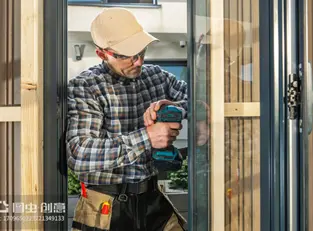
Exporting fragile, heavy impact windows across trans-oceanic routes requires specialized crating. We wrap each window sash and outer master frame in static-free protective film, insert thick corrugated protective edge-corner guards, and encase the units inside heavy fumigated solid-wood or plywood crates lined with waterproof membrane sheeting and structural steel-strapped banding. Glass panes are separated by vibration-dampening cork or rubber spacers, ensuring zero glass-on-glass abrasion or frame deformation across 30 to 50 days at sea.
Direct Commercial Quotation

Procure Certified Hurricane Impact Windows Direct from the Manufacturer

Send your project opening schedule, elevation blueprints, or required DP wind-load specifications to our senior structural engineering team. We deliver factory-direct wholesale pricing, verifiable test documentation, and comprehensive shop drawings within 24 hours.

Essential Parameters for Your Impact Window Quote

  1. Window & door opening schedules (dimensions in mm or inches)
  2. Project wind speed parameters, exposure zone, or required DP/PSF
  3. Glazing preference: Monolithic Laminated vs. Insulated Laminated (IGU)
  4. Interlayer type: Standard PVB vs. SentryGlas® (SGP) thickness
  5. Surface finish and RAL architectural powder coat color
  6. Destination port for ocean freight CIF container calculations