Featured Aluminium Casement Windows & Architectural Openings
Factory-direct structural aluminum casement assemblies, thermal break profiles, insulated multi-point glazing, and heavy-duty sliding suites tailored for high-end residential and commercial developments across Porto Alegre.
Fenestration Engineering for Porto Alegre's Subtropical Dynamics
Addressing high atmospheric humidity from Guaíba Lake, acute summer solar gain, intense winter chill (Minuano winds), and strict compliance with Brazilian building norms.
Thermal Transmittance & U-Value Control
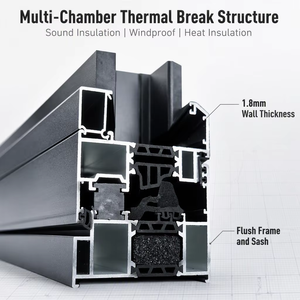
Porto Alegre suffers extreme seasonal variance—sweltering 38°C summers contrasted by single-digit winters with damp cold fronts. Our high-density Polyamide (PA66 GF25) thermal break profiles lower thermal transmittance down to Uw ≤ 1.6 W/m²·K. Combined with Argon-filled Low-E double glazing, these systems prevent thermal bridging, minimize indoor condensation on sash perimeters, and substantially reduce HVAC electricity expenditures.
Guaíba Lake Wind & Water Ingress Protection
With urban developments along Rio Guaíba and coastal gusts crossing Rio Grande do Sul, fenestration faces intense positive and negative structural wind pressures. Our casement windows employ ternary EPDM co-extruded sealing gaskets and a pressure-equalized internal stepped drainage system, certified to withstand dynamic water penetration exceeding 450 Pa and wind loads compliant with ABNT NBR 10821 Class S4 specifications.
Patented Multi-Point Anti-Intrusion Security
Urban security remains a decisive procurement factor for residential condominiums in Moinhos de Vento, Bela Vista, and Três Figueiras. DERCHI’s patented Four-Side Six-Point locking hardware incorporates manganese-alloy mushroom cams and hardened steel strike keepers embedded inside reinforced chambers. Casement sashes resist heavy prying forces, eliminating external vulnerability while preserving slim, elegant sightlines.
Benchmarking DERCHI Casement Systems vs. Standard Local Fabrications
A direct technical comparison highlighting information gain for structural engineers, project specifiers, and Brazilian importers.
| Engineering Parameter | DERCHI Thermal Break Casement System | Conventional Non-Thermal Local Profile | Porto Alegre Standard (ABNT NBR 10821) |
|---|---|---|---|
| Alloy Metallurgy & Temper | Primary 6063-T6 Architectural Billet, 1.8mm - 2.0mm wall | Recycled Scrap Blend 6063-T5, 1.2mm - 1.4mm wall | Minimum Structural Class requirements |
| Thermal Conductivity (U-Factor) | Uw 1.4 – 1.8 W/m²·K (Low-E Double Glazed) | Uw 5.2 – 5.8 W/m²·K (Single Pane / Non-Break) | NBR 15575 Bioclimatic Zone 2 Performance |
| Acoustic Attenuation (Rw / STC) | Rw 38 - 43 dB (Laminated + Double IGU) | Rw 22 - 26 dB (Standard Float Monolithic) | Noise Level Class 3 (Urban Arterial Traffic) |
| Corrosion Resistance Class | Qualicoat Class 2 Powder Coat (25-30 Microns Anodized) | Standard Commercial Spray (10-12 Microns) | Salt-Spray Neutral 1000h+ Guarantee |
| Locking Security Matrix | Patented Four-Side Six-Point Anti-Theft Drive Rod | Single Point Center Latch Hook | Manual Anti-Force Entry Resistance |
Targeted Architectural Applications Across Greater Porto Alegre
Engineered to integrate seamlessly with both historical restorations in Centro Histórico and modern mid-to-high rise developments in emerging zones.
Luxury High-Rise Condos
In elite districts such as Petrópolis and Menino Deus, our flush exterior casement frames provide uncompromised acoustic insulation against street transit while delivering panoramic sightlines across urban greenery.
Waterfront Residences
Properties lining the Orla do Guaíba require marine-grade surface treatments and deep structural inertia. Our reinforced mullions accommodate heavy-duty wind shears during seasonal frontal squalls without profile deflection.
Hospitality & Boutique Hotels
Drawing from our partnerships with brands like Hilton and Atour, our outward-opening casement and tilt-and-turn units ensure guest acoustic privacy, effortless cleaning, and fail-safe multi-stage micro-ventilation locks.
Gated Suburb Estates
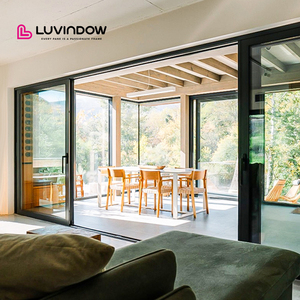
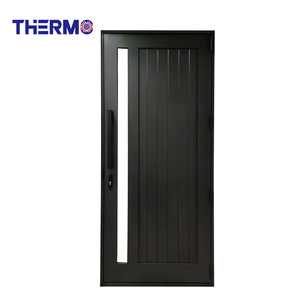
For sprawling private villas in Vila Assunção or Eldorado do Sul, our whole-house architectural packages blend casement glazing with armored metal entrance doors and matching lift-and-slide patio enclosures.
The Evolution of Fenestration in Rio Grande do Sul: 2026 and Beyond
How regulatory shifts, building envelope decarbonization, and supply-chain diversification are steering Brazilian construction developers toward direct factory procurement.
Rigorous Enforcement of NBR 15575
Brazilian building performance standard ABNT NBR 15575 has mandated verifiable thermal and acoustic insulation thresholds for multi-story residential buildings. Standard non-insulated aluminum window profiles are no longer viable for high-tier developers seeking LEED or EDGE certifications in Southern Brazil. Importing thermal break profiles with certified laboratory test reports is shifting from an option to an engineering necessity.
Direct Factory Containerized Sourcing
Contractors and glazing fabricators in Porto Alegre are bypassing multi-tiered local distributors to curtail 35-45% intermediary markups. By ordering consolidated FCL (Full Container Load) shipments directly through Santos or Rio Grande port terminals, development firms gain custom dimensioning, color-matched architectural coatings, and factory-assembled quality assurance.
Minimalist Sightlines with Heavy Armor
Architectural trends favor expansive glazing with ultra-narrow visible sash frames. Achieving this requires structural alloys with superior tensile strength (6063-T6), concealed heavy-duty 180° hinges capable of supporting sash weights over 120 kg, and integrated high-security locking gear that does not compromise sleek contemporary facades.
Why South American Developers Partner with DERCHI
Guangdong Dejiyoupin Doors and Windows Co., Ltd. delivers institutional-scale manufacturing discipline from Foshan to international job sites worldwide.
Global Compliance & Certifications
Our product portfolios hold rigorous global certifications including CE (Europe), NFRC (USA), AS2047 (Australia), CSA (Canada), Energy Star, and ISO 9001. We construct windows to exceed local structural load criteria.
"China Famous Brand" Distinction
Officially recognized by Xinhua News Agency, our brand operates over 180,000 m² of specialized production space, delivering an annual capacity exceeding 1,000,000 m² with zero-defect manufacturing precision.
100+ Proprietary Patents
From our exclusive Four-Side Six-Point security locking hardware to dual-color thermal profile joinery, our engineering department invests persistently in fenestration breakthrough innovations.
Full Export & Maritime Packaging
Every window unit is wrapped with electro-static scratch guard, fitted with corner edge buffers, and crated inside fumigated marine-grade plywood boxes to survive maritime transit into Brazilian ports.
Whole-House Harmonized Solutions
Eliminate mismatched finishes across suppliers. We manufacture thermally broken casement windows, ultra-slim stacking doors, glass solariums, and armored exterior front doors under unified RAL color codes.
Bilingual Engineering Consultation
Our dedicated technical engineers provide CAD shop drawing conversions, millimeter-level opening calculations, and structural wind-load simulations before cutting aluminum bars.
Frequently Asked Questions by Brazilian Buyers & Specifiers
Essential technical, logistical, and commercial inquiries addressed with factual precision for smooth customs clearance and flawless project delivery.
How does DERCHI manage ocean shipping and customs logistics to Porto Alegre?
Do your aluminium casement profiles comply with Brazilian Norm ABNT NBR 10821?
Why is thermal break aluminum preferable to standard aluminum in Southern Brazil?
What glass build-ups are recommended for acoustic insulation in noisy urban corridors?
Can your factory supply custom finishes matching local Brazilian architectural requirements?
What is the standard production timeline and packaging integrity for long ocean voyages?
Ready to Engineer Your Project Openings for Porto Alegre?
Submit your architectural schedule, elevation drawings, or bill of quantities. Our engineering department will configure optimized profile sections, glazing specifications, and a transparent factory-direct quotation within 24 hours.