High-Performance Fenestration & Sliding Systems
Explore our certified architectural-grade sliding windows, bifold assemblies, and heavy-duty sliding panels engineered for residential compounds, multi-family towers, and commercial complexes across the state of São Paulo.
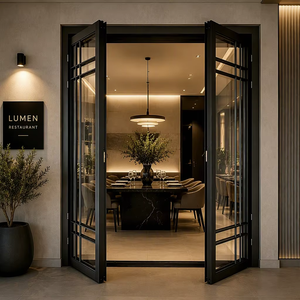
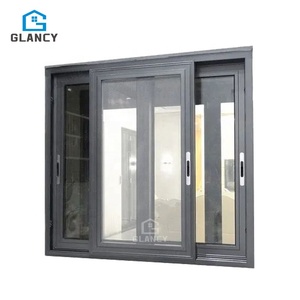
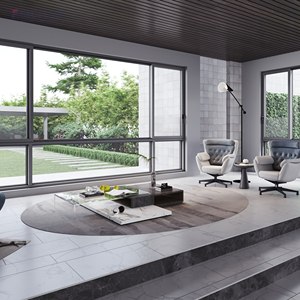
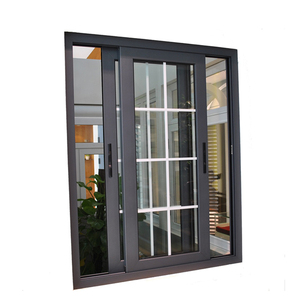
Structural Precision & Metallurgical Integrity for Campinas
An analytical overview of structural extruded aluminum alloys, specialized surface passivation, and monolithic glass dynamics engineered for the interior of São Paulo State.
As the third most populous municipality in São Paulo State and the core engine of the Região Metropolitana de Campinas (RMC), Campinas exhibits a dynamic architectural spectrum ranging from high-density urban residential towers in Cambuí and Taquaral to sprawling, high-end horizontal gated communities (condomínios fechados) in Sousas, Joaquim Egídio, Swiss Park, and Alphaville Campinas. In these projects, the specification of aluminum single pane sliding windows (janelas de correr de vidro temperado/monolítico) is driven by an exacting balance between cross-ventilation performance, structural perimeter stability, wind-pressure mitigation, and total project lifecycle cost.
Manufactured in our state-of-the-art 180,000 m² automated production facility in Foshan, China—by Guangdong Dejiyoupin Doors and Windows Co., Ltd. (DERCHI)—our sliding assemblies utilize 6063-T5 and structural 6063-T6 primary aluminum extrusions with nominal wall thicknesses strictly compliant with Brazilian standard ABNT NBR 10821 (Parts 1 to 5). Unlike generic low-cost fabrications that utilize remelted scrap alloys vulnerable to intergranular oxidation, our architectural billets maintain an iron content strictly controlled below 0.35%, optimizing structural ductility and maximizing load-bearing capacity under dynamic gust conditions typical of the Paulista plateau.
Structural Alloy Metallurgy
High-tensile 6063-T5/T6 architectural aluminum alloy with yield strength exceeding 160 MPa. Engineered sash profiles prevent flexural deflection under severe structural wind loading across upper floors in Campinas residential towers.
Qualicoat Class II Coatings
Electrostatic thermosetting polyester powder coatings and Class 15/20 anodizing compliant with ABNT NBR 12609. High resistance against intense solar ultraviolet radiation (UV Index up to 12+) and micro-particulate atmospheric abrasion.
Sealing & Water Infiltration
Dual-density cellular EPDM co-extruded perimeter gaskets combined with siliconized high-density finned wool pile weatherstripping. Integrated internal weep channels with gravity-flapped non-return drainage valves.
Architectural Scenarios & Urban Typologies in Campinas
Tailoring single pane sliding systems to regional wind dynamics, microclimates, and Brazilian functional codes.
1. Multi-Family High-Rise Condominiums (Cambuí, Taquaral & Nova Campinas)
In high-density residential towers, window-to-wall ratios (WWR) demand optimal acoustic baffling and high resistance against dynamic wind pressures at elevated elevations (800m+ above sea level). Our single pane sliding systems, configured with 6mm to 8mm toughened tempered glass (vidro temperado) or acoustic acoustic PVB laminated single composites, integrate seamlessly into structural precast openings. Deep-pocketed bottom sill profiles prevent rainwater backflow even under tropical torrential downpours common during the Paulista summer (novembro a março).
2. Horizontal Luxury Condos (Sousas, Swiss Park & Alphaville Campinas)
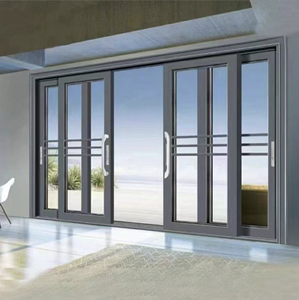
Suburban residences in Campinas emphasize indoor-outdoor continuity and cross-breeze thermal regulation. Single pane sliding window assemblies featuring slimline interlocks (bitolas estreitas de 20mm a 26mm) maximize natural daylight penetration while enabling effortless slide actions over multi-track stainless steel rails (trilhos em aço inox 304). These are routinely coordinated with motorized external blackout roller shutters (persianas integradas de enrolar) for total bedroom solar control.
3. High-Tech Industrial Hubs & Research Centers (Barão Geraldo / CIATEC)
Campinas is internationally recognized as the "Silicon Valley of Brazil," anchored by UNICAMP, CPQD, and the CIATEC industrial clusters. Tech-park administrative buildings, incubators, and testing laboratories require cost-effective, low-maintenance, and fire-resistant fenestration. DERCHI aluminum single-glazed sliding frames provide durable anodized finishes capable of withstanding industrial pollutants while ensuring long-term airtightness and easy fenestration maintenance.
4. Service Utility Zones (Áreas de Serviço, Cozinhas & Balconies)
In Brazilian residential culture, dedicated utility spaces (área de serviço) and kitchen wash areas demand continuous natural air circulation to evacuate steam and moisture without encroaching on usable floor space. Two-track and three-track sliding windows provide wide, unobstructed clear openings, allowing continuous convective heat extraction without mechanical HVAC dependency.
Campinas Architectural Trends & ABNT NBR 10821 Compliance
Navigating technical parameters, bioclimatic zoning, and circular sustainability requirements across the interior of São Paulo.
The architectural landscape in the Metropolitan Region of Campinas is undergoing a significant transition toward bioclimatic optimization. Governed by Zone Bioclimática 3 (ZB3) under Brazilian thermal performance standard ABNT NBR 15220, buildings in Campinas require cross-ventilation in summer, moderate solar capture during short winter periods, and calculated acoustic protection against arterial transit corridors like Rodovia Dom Pedro I, Anhanguera, and Bandeirantes.
ABNT NBR 10821 Testing
Every fenestration batch manufactured for Brazil is verified under rigorous laboratory cycle simulations for air permeability (permeabilidade ao ar), watertightness under static and dynamic pressure (estanqueidade à água), and structural wind resistance (resistência às cargas de vento) exceeding 1820 Pa for mid-to-high rise developments.
Hardware & Smooth Gliding
Equipped with dual-bearing heavy-duty polyoxymethylene (POM) or stainless steel encapsulated rollers capable of over 100,000 continuous opening and closing cycles without track degradation. Micro-adjustable carriage brackets allow millimeter-level alignment directly on-site in Campinas.
Integrated Security Hardware
Standard inclusion of flush-mounted crescent cam locks, keyed push latches, or our patented multipoint perimeter locking system. Frame extrusions incorporate internal anti-lift blocks (travas anti-elevação) that prevent external sash prying, reinforcing perimeter safety.
Guangdong Dejiyoupin (DERCHI): Global Strength, Brazilian Focus
Unrivaled manufacturing scalability, proprietary innovation, and international quality management certifications supporting Brazilian construction leaders.
Operating out of Foshan, Guangdong Province—the undisputed global capital of aluminum profile fabrication—Guangdong Dejiyoupin Doors and Windows Co., Ltd. (DERCHI) represents over 25 years of engineering leadership. With an extensive 180,000 square meter intelligent manufacturing park, an annual capacity exceeding 1,000,000 m², and a dedicated multidisciplinary workforce of more than 600 skilled technicians, we eliminate intermediary distributor markups, supplying developers, contractors, and architectural fabricators across Campinas directly from our ISO 9001 certified extrusion and processing lines.
Recognized by Xinhua News Agency as a premier "China Famous Brand", DERCHI holds over 100 independent national invention and utility patents, including our exclusive Four-Side Six-Point Anti-Theft Lock mechanism. Our engineering compliance spans the world’s most demanding building directives, including European Union CE conformity, American NFRC ratings, Australian AS2047 fenestration standards, Canadian CSA certification, Energy Star performance validations, and rigorous hurricane impact testing protocols.
End-to-End Direct Sourcing
Bypassing tiered intermediaries ensures transparent commercial pricing, customized extrusion dies, and predictable factory production lead times of 30 to 45 days.
Ocean Logistics to Santos
Direct weekly container departures from South China (Nansha/Yantian) to the Port of Santos (SP), facilitating streamlined customs clearance and short highway drayage to Campinas.
Project Shop Drawings
Our in-house facade engineering team prepares comprehensive AutoCAD, Revit BIM, and structural deflection models tailored to each Brazilian architectural specification.
Full Opening Marking
Every sliding unit is labeled by building level, apartment number, and axis reference, packed in ISPM-15 fumigated solid timber crates for zero-damage job site distribution.
Campinas B2B Buyer FAQ & Import Insights
Critical guidance on maritime freight, customs clearance (Siscomex), taxation, and technical job site execution for developers in São Paulo State.
What are the key advantages of importing aluminum single pane sliding windows from Foshan directly to Campinas?
Direct procurement from DERCHI’s 180,000 m² factory in Foshan allows real estate developers and general contractors in Campinas to secure substantial cost reductions (typically 25% to 40% lower landed costs compared to local Brazilian regional fabricators who rely on fragmented third-party extrusion sourcing). Furthermore, direct factory manufacturing ensures strict dimensional tolerances, automated CNC profile cutting, uniform Qualicoat powder coating thicknesses, and custom architectural extrusions that match project-specific opening schedules without standard catalog limitations.
How does maritime shipping and inland logistics operate from China to Campinas?
Finished window units are palletized inside reinforced, moisture-barrier fumigated wooden crates (compliant with MAPA/ISPM-15) and loaded into 40ft High Cube (HC) shipping containers at our factory. Vessels depart from Shenzhen (Yantian) or Guangzhou (Nansha) directly to the Port of Santos, taking approximately 32 to 42 days of ocean transit. Once cleared through Brazilian Federal Revenue customs (Receita Federal) via your licensed customs broker (despachante aduaneiro), containers travel approximately 180 km via modern dual-carriageway highways (Rodovia dos Imigrantes, Rodoanel Mário Covas, and Rodovia dos Bandeirantes) directly to project laydown yards in Campinas.
What Brazilian customs regulations and import taxes (Siscomex/NCM) apply?
Aluminum windows and doors are classified under Mercosul Common Nomenclature (NCM) code 7610.10.00 (Portas, janelas e seus caixilhos, alizares e soleiras de alumínio). Sourcing companies in Brazil require active registration in the Siscomex RADAR system (Ambiente de Registro e Rastreamento da Atuação dos Intervenientes Aduaneiros). Standard import taxes include Imposto de Importação (II), IPI, PIS/PASEP-Importação, COFINS-Importação, and state-level ICMS (São Paulo). DERCHI provides comprehensive commercial invoices, exact packing lists, and certified Bills of Lading (B/L) to ensure rapid clearance through green channel (Canal Verde) verification.
Are single pane sliding windows thermally and acoustically adequate for the Campinas climate?
Yes. Campinas features a humid subtropical climate (Köppen: Cwa) characterized by warm, rainy summers and pleasantly mild, dry winters. Because sub-zero winter temperatures are absent, high-performance single-glazed windows utilizing 6mm or 8mm monolithic tempered glass—or acoustic PVB laminated single-pane assemblies—provide exceptional energy efficiency when paired with external window blinds or wide roof overhangs. For residential developments near major transit arteries (such as Av. Prestes Maia or Rodovia Dom Pedro I), single-pane laminated glass (3+3mm or 4+4mm with sound-dampening acoustic interlayers) achieves Rw sound reduction ratings of 32–35 dB, satisfying the acoustic comfort classes of ABNT NBR 15575.
How does DERCHI ensure structural compliance with ABNT NBR 10821?
Brazilian Standard ABNT NBR 10821 specifies minimum mechanical performance parameters based on wind zone pressures (Campinas resides primarily in Wind Zone 3, with characteristic wind speeds of 35 to 40 m/s). Prior to profile extrusion, our structural engineers calculate the Moment of Inertia (Ix and Iy) of vertical sash interlocks (montantes centrais) to verify that deflection under design wind load remains strictly within L/175 or 20mm maximum limits. Certified structural test reports and material mill test certificates (EN 10204 Type 3.1) are supplied for municipal building permits.
What site-level installation support and spare parts are provided for Brazilian projects?
Every export shipment includes comprehensive technical installation shop drawings (manuais detalhados de assentamento com contramarco ou fixação direta em vão de alvenaria/concreto), anchoring hardware, pre-cut EPDM gaskets, and extra replacement roller carriages (roldanas de reposição). For high-volume multi-tower projects across Campinas, we offer remote video engineering supervision and on-site technical guidance for local Brazilian glazing installers (vidraceiros e instaladores de esquadrias).
Engineering Your Fenestration Project in Campinas
Partner directly with Foshan's premier architectural window manufacturer. Whether you are executing a high-rise residential development in Cambuí, an institutional complex in Barão Geraldo, or an upscale horizontal gated community in Sousas, our engineering team provides rapid takeoff services, structural wind-load simulations, and competitive factory-direct CIF Santos quotations within 48 hours.