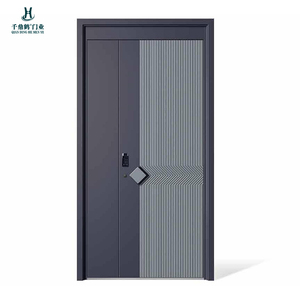
Factory-Engineered Catalog
Featured Heavy-Duty Aluminum Door & Net Integration Series
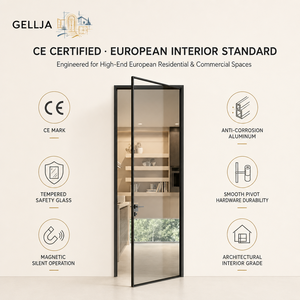
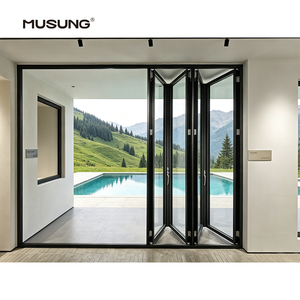
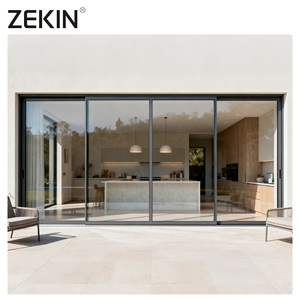
Discover our primary architectural envelope systems engineered with aircraft-grade 6063-T5/T6 aluminum profiles, high-tensile 304/316 marine stainless mesh screens, and structural perimeter multipoint hardware.
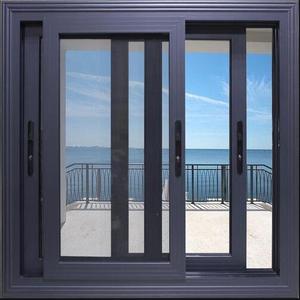
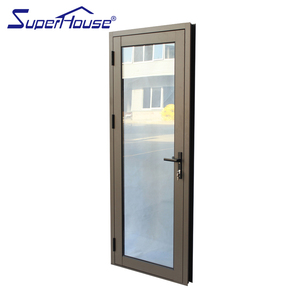
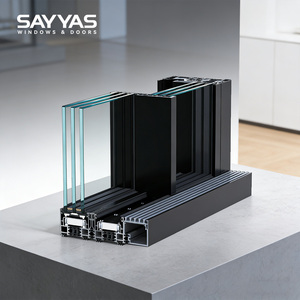
Engineering Authority & Material Science
Structural Anatomy of Custom OEM Aluminum Net Doors
Aluminum net doors—combining heavy-duty architectural extruded profiles with woven marine-grade stainless steel wire mesh or diamond security grilles—serve as primary defensive envelopes across coastal, tropical, and high-crime development corridors.
Metallurgical Substrate & Extrusions
Our custom OEM manufacturing utilizes virgin primary aluminum billet 6063-T5 and 6063-T6 with uniform wall thicknesses ranging from 1.6mm up to 3.0mm for high-span sliding and hinged applications. Profiles feature internal multi-cavity chambers designed to balance dead-load resistance against structural wind pressures meeting ASTM E330 and AS2047 deflection criteria.
Yield Strength ≥ 160 MPa | Hardness ≥ 11.5 Webster | Tensile Strength ≥ 205 MPa.
High-Tensile Wire Mesh Retention
Standard flyscreens fail shear stress and knife-shear intrusion tests. We integrate AISI 304 and 316 marine-grade stainless steel woven wire mesh (0.8mm to 1.0mm wire diameter; 11×11 or 12×12 mesh counts). Mesh sheets are secured using our proprietary mechanical clamp-bead retention channel, preventing forced kick-out without perimeter wire distortion.
Passes Australian AS5039/AS5041 dynamic impact, pull, and knife shear resistance tests.
Multipoint Anti-Intrusion Hardware
Equipped with our patented Four-Side Six-Point perimeter locking architecture, the system simultaneously drives hardened stainless steel mushroom cam pins into heavy aluminum strike jambs. Even under localized pry-bar attacks, load dissipation across 6 discrete docking points renders forced entry virtually impossible.
Anti-crowbar rated casing with dual euro-profile cylinders and anti-drill manganese plates.
| Engineering Parameter | Standard Commercial Grade | DERCHI OEM Heavy-Duty Spec | International Benchmark Compliance |
|---|---|---|---|
| Alloy & Temper | 6063-T4 Re-melt Extrusions (1.2–1.4mm) | Primary 6063-T5/T6 Billet (1.8–3.0mm) | GB/T 5237, ASTM B221, EN 755-9 |
| Screen / Mesh Type | Fiberglass / Polyester Soft Insect Screen | 0.8mm-1.0mm AISI 316 Marine Stainless Mesh | AS 5041 (Knife Shear & Dynamic Impact) |
| Surface Coating | Standard Polyester Powder (40μm) | AkzoNobel / PPG Fluorocarbon PVDF (≥65μm) | AAMA 2605, Qualicoat Class 3, 3000h Salt Spray |
| Security Locking | Single-point latch mortise | Patented 4-Side 6-Point Interlocking System | EN 1627 RC2/RC3 Level, AS 5039 Security Standards |
| Sealing & Weathering | Basic PVC brush strip | Co-extruded continuous EPDM + silicone fin seals | AAMA 701/702, ASTM E283 Air Infiltration Spec |
Strategic Market Intelligence
Future Procurement Trends in Custom Aluminum Net Doors
Global contractors, commercial developers, and regional distributor networks are navigating pivotal shifts in regulatory enforcement, thermal performance requirements, and supply-chain risk mitigation.
1. Polyamide Thermal-Break Modular Integration
Energy rating standards worldwide (NFRC in the USA, Energy Star, CE EN 14351-1) are compelling developers to eliminate thermal bridging. Upcoming procurement cycles require thermal-break net door configurations, where fiberglass-reinforced polyamide (PA66 GF25) thermal barriers isolate exterior aluminum surfaces from interior frames, driving U-factors down below 1.8 W/m²·K while preserving insect barrier and acoustic separation attributes.
2. Monolithic Whole-Envelope Consolidation
Procuring glazing packages, solid timber core interior doors, bifold facade units, and security net doors from disparate fabricators leads to mismatched powder-coat batches, inconsistent reveals, and site dispute risks. Forward-thinking general contractors consolidate whole-envelope sourcing under single OEM enterprise tier-suppliers who can harmonize structural anodized or RAL finishes, sightline depths, and threshold heights.
3. Pre-Glazed and Pre-Screened Unitized Crating
Escalating on-site construction labor costs across North America, Australia, and Western Europe dictate that doors must arrive on-site pre-hung, square-squared, and pre-screened in steel-reinforced crating. Jobsite handling is reduced to perimeter shimming, structural anchor fastening, and perimeter membrane sealing, eliminating high warranty expenses linked to localized assembly errors.
R&D Evolution
Technological Development Trends in Aluminum Mesh Enclosures
How ongoing advancements in CNC machining, nanotech coatings, and smart IoT security integration are reshaping next-generation architectural net door performance.
Nanotech Anti-Adhesion Finishes
Next-gen screens feature hydrophobic fluorocarbon powder coatings that resist marine salt incrustation, atmospheric smog, and airborne dust particles. A simple rainfall clears debris without degrading airflow capacity or light transmission.
Mechatronic Access & IoT Concealment
Integrating biometric readers, motorized latch bolt retraction, and low-profile magnetic contact sensors seamlessly inside the extruded sash hollows—preserving clean, minimalist architectural reveals without visible surface wiring.
Ultra-Narrow Sightline Profiles
Advances in structural alloy temper have allowed profile face dimensions to drop from traditional 90mm widths down to 45mm minimalist stiles, optimizing visible daylight ratios while exceeding static structural stiffness loads.
Dual Barrier Retraction Mechanics
Hybrid designs where security wire mesh and low-emissivity sliding insulated glass units operate independently or interlock on demand, granting flexible natural ventilation during daylight hours and thermal protection overnight.
Procurement Guidance & Due Diligence
Frequently Asked Questions for Global OEM Importers
Critical technical inquiries addressed by our facade structural engineers regarding testing certificates, international logistics, custom extrusion tooling, and site conditions.
What defines the difference between a standard flyscreen and an authentic security net door?
Standard insect screens utilize lightweight fiberglass, soft aluminum, or plastic mesh held within light-gauge sashes by flexible PVC spline cord; these can be sliced easily with a pocketknife or dislodged with minimal body weight. By contrast, true security net doors feature high-tensile 304 or 316 structural stainless wire (≥0.8mm thick) securely captured in heavy-duty structural frames via deep mechanical alloy clamping wedges and perimeter fasteners. They pass rigorous static, dynamic impact, and knife-shear intrusion criteria (such as Australian Standards AS 5039 / 5041).
How does your factory accommodate custom architectural sizes and OEM frame profiles?
As an OEM and ODM tier fabricator, Guangdong Dejiyoupin Doors and Windows Co., Ltd. operates in-house die extrusion development facilities. We develop project-specific extrusion molds based on your CAD/BIM shop drawings within 15–20 days. Standard profiles are cut and machined with automated multi-axis double-miter CNC machinery, accommodating rough opening heights exceeding 3.5 meters and variable sill thresholds for zero-barrier ADA or European drop-seal compliance.
What surface finish warranty is provided for severe coastal or high-humidity regions?
For exposed coastal conditions (such as the Atlantic, Pacific coastline, or Caribbean corridors), we specify AAMA 2605-compliant Fluorocarbon PVDF resin coatings or 20μm–25μm architectural hard-anodized treatments. Backed by verified 3,000-hour neutral salt-spray testing, our finishes prevent oxidation, blistering, peeling, or chalking under intense marine microclimates and extreme UV radiation for up to 15 to 20 years.
What international testing standards and third-party certifications validate DERCHI products?
Our door and window assemblies have secured international testing credentials, including CE Mark (EU compliance according to EN 14351-1), NFRC thermal certification (USA), AS2047 windows and AS5039 security certifications (Australia), CSA compliance (Canada), Energy Star ratings, and ISO 9001 certified quality control systems. We also possess full structural hurricane impact certifications and hold more than 100 invention and utility patents.
How does your export packaging prevent transit abrasion and glass/mesh breakage during ocean freight?
Every fabricated unit undergoes a multi-layer protective process: electrostatic protective surface films, custom-molded EVA protective corner armor, closed-cell pearl cotton wrapping, and vacuum strapping into fully enclosed fumigated plywood sea-crates or heavy steel skids. Every crate includes external shock-watch indicator labels, moisture-absorbing silica canisters, and floor/opening schedules clearly labeled for straightforward distribution at the construction site.
What is the typical production turnaround and lead time for multi-unit development projects?
Following written engineering sign-off on shop drawings and deposit clearance, our intelligent production lines complete standard architectural orders in 30 to 45 business days. Direct ocean transit times range from 18 to 35 days depending on the arrival port (e.g., Los Angeles, Sydney, Santos, Rotterdam, Valparaíso). Container loading plans and complete shipping dockets (Commercial Invoice, Packing List, Bill of Lading, Certificate of Origin) are coordinated without delay.
Standard Operating Procedure
Zero-Tolerance Engineering & Customization Workflow
How our Foshan manufacturing base ensures dimensional accuracy, airtight tolerances, and smooth on-site installation across international procurement orders.
PHASE 01
Architectural Review
Review of DWG/BIM elevations, structural floor plans, wall construction details, and wind load engineering schedules.
PHASE 02
Engineering & R&D
Substrate alloy selection, thermal-break configuration, mesh weight, and custom die extrusion drafting.
PHASE 03
Technical Proposal
Issuing comprehensive shop drawings, hardware anchorage sections, static calculations, and certified cost schedules.
PHASE 04
Design Confirmation
Formal sign-off on exact millimeter opening dimensions, RAL/PVDF color chips, hardware styles, and glazing specs.
PHASE 05
Slot Booking & Deposit
Production line scheduling, primary billet material allocation, and tracking calendar activation.
PHASE 06
Pre-Cut Verification
Laser digital verification of structural tolerance schedules against actual on-site structural rough openings.
PHASE 07
CNC Fabrication & 360° QC
Intelligent profile extrusion, automated mitering, crimping, mesh tensioning, multipoint lock testing, and sealing QC.
PHASE 08
Crating & Support
Protective crating, container load plans, shipping documents, and detailed field installation guidance.
Enterprise Authority
Guangdong Dejiyoupin (DERCHI): Manufacturing Advantages
Headquartered in Foshan, Guangdong—the core of China's aluminum industry—DERCHI supplies high-specification fenestration systems to developers, hoteliers, and residential projects worldwide.
180,000 m² Mega Industrial Base
Equipped with German and Italian precision CNC machining centers, automated powder-coating lines, and robotic corner-crimping units, our facility delivers an annual capacity exceeding 1,000,000 square meters without production bottlenecks.
100+ Patents & "China Famous Brand"
Officially authenticated as a "China Famous Brand" by Xinhua News Agency, DERCHI maintains a dedicated R&D department responsible for over 100 patents, including the Four-Side Six-Point Anti-Theft Lock system.
Global Portfolio: 18,000+ Projects
Our fenestration packages serve commercial brands and developments across six continents—including hospitality groups like Hilton Hotels and Atour Hotels, as well as luxury residences worldwide.
Rigorous 360° Full-Chain QC
From raw alloy spectrographic analysis through PVDF dry-film thickness inspection, squareness laser tracking, and EPDM gasket seating checks, every unit is certified before ocean crating to ensure zero defects upon delivery.
Plan Your Architectural Fenestration Package With Our Engineers
Direct factory OEM pricing, certified performance specifications, and custom CAD drawings tailored to your regional building codes and site conditions. Speak directly with our technical fenestration team.