25+
Years in Fenestration
180km²
Smart Production Base
1Mm²+
Annual Output Capacity
18k+
Global Installations
100+
Invention & Tech Patents
600+
Engineers & Craftsmen
Engineered Product Portfolios
Precision Fenestration & Folding Architecture Systems
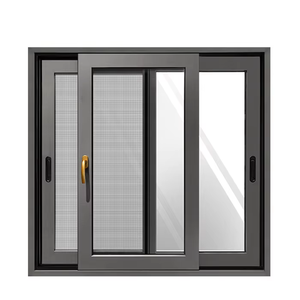
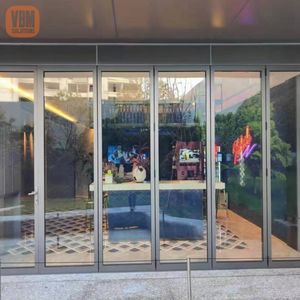
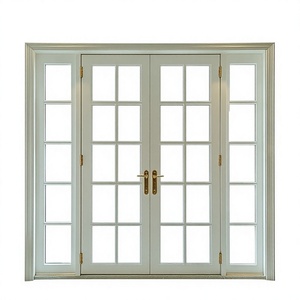
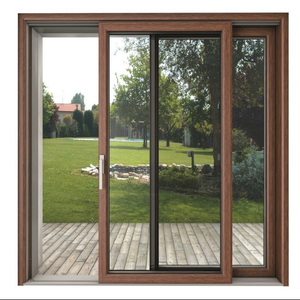
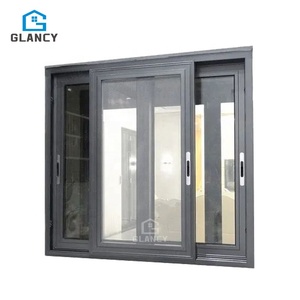
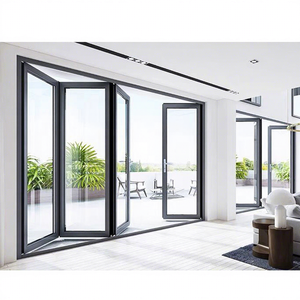
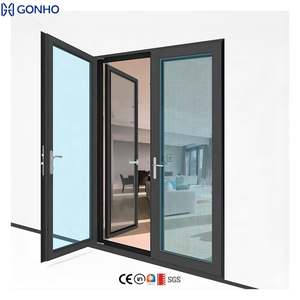
Engineered with 6063-T5/T6 marine-grade aluminum profiles, multi-chamber thermal breaks, and heavy-duty concealed carriage rollers designed for cycle-tested endurance and expansive openings.
Manufacturing Rigor
Precision Extrusion, Structural Thermal Breaks, and Zero-Tolerance Quality
As premier manufacturers headquartered in Foshan—the world’s epicenter of aluminum fabrication—we integrate raw aluminum alloy processing, profile extrusions, surface anodization, and structural glazing testing in-house.
Patented 4-Side 6-Point Multipoint Locking
Equipped with proprietary security systems certified to counteract lever attacks and severe lateral shear forces. Continuous interlocking seals ensure airtight compression across tall sash panels.
Polyamide PA66 Thermal Barriers
Multi-cavity fiberglass-reinforced Polyamide (PA66 GF25) thermal breaks mitigate conductive thermal exchange, delivering low U-values down to 1.4 W/m²K compatible with Passive House design parameters.
Xinhua 'China Famous Brand' Endorsement
Recognized on premier institutional tiers for manufacturing scale, financial resilience, and verified cross-border supply chains. Backed by 100+ national patents and comprehensive test reports.
Heavy-Load Stainless Steel Rollers
Precision-ground stainless steel tandem wheels and dual-guide extruded tracks withstand sash panel weights exceeding 250kg per panel while preserving frictionless fingertip glide.
Marine-Grade Architectural Coatings
AAMA 2604/2605 certified fluorocarbon (PVDF) and AkzoNobel powder coatings deliver 20+ years of resistance against coastal salt fog, color fade, and severe equatorial ultraviolet radiation.
Global Compliance
Internationally Tested, Certified & Benchmark Validated
Exporting building components requires compliance without compromise. Our door assemblies satisfy strict building codes across North America, the European Union, and Australasia.
NFRC Certified (USA)
Thermal transmittance (U-factor), Solar Heat Gain Coefficient (SHGC), and Visible Transmittance ratings verified.
AS2047 Compliant (Australia)
Deflection load tests, air infiltration rates, water penetration resistance, and ultimate limit state validated.
CE Mark (EN 14351-1)
Meets complete mandatory European structural safety, mechanical endurance, and acoustic decoupling standards.
ISO 9001 & Hurricane Impact
Factory management certified alongside ASTM E1886/E1996 large missile impact resistance protocols.
Industry Insight & Analysis
Aluminium Folding Door Trends & Next-Gen Procurement Drivers
Architectural preferences and regulatory demands are evolving rapidly. Successful overseas developers and importers rely on forward-looking engineering benchmarks to maintain competitive advantages.
1. Ultra-Slim Sightlines & Oversized Glass
The architectural trend demands profile interlocking mullions under 35mm without sacrificing wind load deflection strength. By deploying high-tensile 6063-T6 alloys and structural bonding, modern bifold doors can achieve clear glass ratios exceeding 92% per opening.
2. Triple Glazing & Warm-Edge Spacers
With global green building codes enforcing aggressive net-zero heating/cooling consumption, standard double glazing is transitioning toward argon-filled triple insulating glass units (IGU) featuring dual Low-E coatings and stainless steel warm-edge composite spacers.
3. Flush Thresholds with Concealed Drainage
Universal accessibility requirements are spurring the adoption of sub-floor drainage channels that align interior and exterior flooring seamlessly. Precision-engineered check valves and high-flow gutters prevent capillary water return even under severe wind pressure.
4. Smart Home Motorization & Automation
Bifold integration into centralized building management systems (BMS) is transitioning from novelty to requirement. Brushless DC linear drives, hidden hinge cabling channels, and torque-sensing anti-pinch obstacle sensors enable automated opening with full safety certification.
5. Digitized Order-to-Delivery Tracking
Modern cross-border procurement mandates transparent production observability. Advanced manufacturers provide live BIM integration (Revit/IFC files), digital shop drawing sign-offs, barcoded sash identification, and container cargo packing simulations to eliminate transit damage.
Systematic Execution
End-to-End Customized Engineering Process
A rigorous, transparent 8-stage manufacturing workflow ensures opening dimensional accuracy, profile integrity, and on-time ocean shipping for overseas project developers.
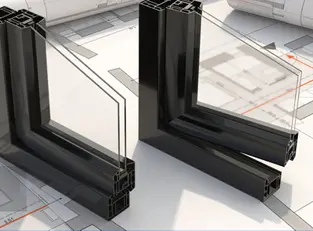
Step 01
Architectural Drawing Review
Analysis of structural opening schedules, floor line depths, wind pressure zones, and site drainage plans.

Step 02
R&D & Thermal Engineering
Profile wall thicknesses, structural moment of inertia, thermal barrier positions, and hardware setups configured.

Step 03
Detailed Technical Proposal
Comprehensive CAD cross-sections, glass build-up parameters, finish samples, and price schedules delivered.

Step 04
Final Detail Sign-Off
Lock handle colors, threshold sill configurations, sill pans, and installation anchors approved in writing.

Step 05
Production Slot Booking
Commercial contracts, material reservation, and line scheduling locked in upon deposit clearance.
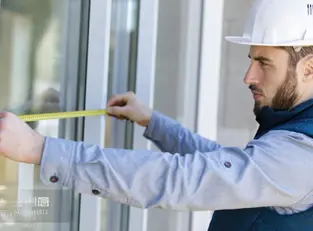
Step 06
Precision Dimension Verification
Verification of exact structural openings and deflection clearances via laser scans or certified on-site measurements.
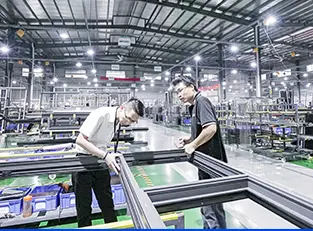
Step 07
CNC Machining & 360° QC
Automated cutting, corner crimping, glass bonding, test-hang assembly, and dynamic cycling before packing.
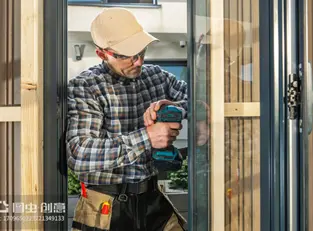
Step 08
Sea Crated & Install Support
Solid fumigated timber crates, numbered opening diagrams, video tutorials, and technical support teams available on-demand.
Procurement Knowledge Base
Frequently Asked Questions on Importing Bifold Doors from China
Direct technical and logistics clarity addressing lead times, certifications, packaging durability, and installation compatibility.
How does the factory prevent water penetration across large exterior folding door spans?
Water tightness is achieved through a multi-tiered engineering approach: First, continuous triple EPDM rubber gaskets create dual compression barriers between panels. Second, we integrate high-sill rebated tracks fitted with engineered weep-holes and one-way drainage flaps that eject wind-driven rain under pressures exceeding 600 Pa. For flush floor applications, our sub-sill collection channels with integrated exterior perimeter drains are specified.
What aluminum profile alloy and thermal break configurations are standard?
We exclusively process architectural virgin 6063-T5 or T6 grade aluminum alloys with minimum wall thicknesses ranging from 2.0mm to 3.0mm on critical load-bearing vertical mullions. Our systems incorporate multi-cavity glass-fiber reinforced Polyamide 66 (PA66 GF25) thermal strips, significantly exceeding standard PVC strips in tensile strength, thermal expansion stability, and continuous temperature endurance from -30°C to 100°C.
Can your factory supply full project-certified window and door packages for hotels and residential towers?
Yes. With more than 18,000 completed global projects—including references like Hilton and Atour Hotels—we supply consolidated envelope solutions. You can combine folding doors, minimalist sliding systems, casement windows, hurricane impact curtain walls, glass sunrooms, and solid timber interior doors within the same production cycle to ensure uniform anodizing/powder-coating finishes and unified project logistics.
What are the typical manufacturing lead times and ocean logistics schedules?
Standard custom production requires 30 to 45 working days following signed shop drawings and deposit clearance. High-volume powder coatings or customized extrusion dies may require 10 additional days. Transit times by container vessel typically range from 14 to 22 days to the US West Coast/Oceania, 28 to 35 days to Western Europe, and 35 to 50 days to South American and African gateways.
How do you protect oversized glass folding panels from breakage during ocean transport?
All doors undergo modular disassembly or pre-glazed flat packing inside heavy, fully enclosed fumigated plywood crates. Profile surfaces are layered with scratch-proof films, corners feature protective reinforced polymer bumpers, and glass surfaces are isolated with anti-vibration cork spacers. Every crate features internal steel strapping and desiccants to eliminate moisture condensation during equatorial transit.
Are your products compatible with seismic movements and heavy structural deflections?
Yes. We engineer customized structural sub-frame head channels that accommodate building live-load deflections up to ±25mm without imparting vertical loading onto the rolling door carriages. Furthermore, for seismic belts (such as Chile, Peru, or California), we utilize flexible structural silicone glazing joints and anchored mullion splices to isolate building drift from the glass lites.