An Aluminum Window uses an aluminum frame to hold glass and connect the glazing to a building’s wall. Aluminum is strong for its weight, so frames can often have narrow sightlines and support broad panes. That brings more daylight into a room, though the glass, frame design, and installation all affect performance.
Not all aluminum windows work the same way. Fixed units do not open, while sliding windows move along tracks. Casement styles swing outward or inward on hinges; awning windows hinge at the top. Tilt-and-turn designs offer two opening positions, but are not available from every supplier. Each option suits different rooms, ventilation needs, and maintenance preferences. Tracks can collect dust. Small details matter.
Aluminum conducts heat readily, so many modern frames include a thermal break: an insulating barrier between the inner and outer frame sections. This can reduce heat transfer, but results depend on the full window assembly, including glazing, seals, and installation. A slim profile alone does not guarantee good energy performance. That distinction is easy to miss when comparing photos or product descriptions.
This guide explains what aluminum windows are, how common styles differ, and which features are worth checking before choosing one. Consider how the window will open, the climate it must handle, and the upkeep you can realistically manage. Measurements and product specifications deserve a careful second look. No single type is best for every home.
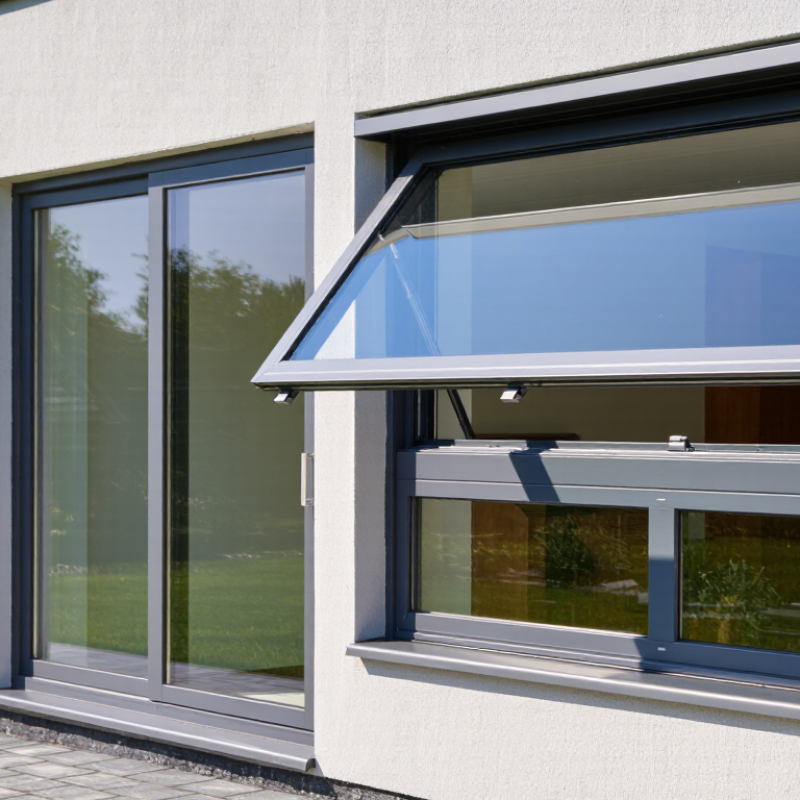
An aluminum window is defined by its frame: sections of extruded aluminum hold the glass and connect at the corners. Aluminum is strong for its weight, so frames can stay relatively slim while supporting broad panes. That detail matters in a room: a narrow frame leaves more glass visible, but bare metal also transfers heat readily. Many modern frames use a thermal break, a less conductive material separating the inner and outer aluminum sections. The break interrupts heat flow. It is not a guarantee of comfort; glazing, seals, and installation still affect performance.
A frame’s material alone does not tell you how well the whole window performs. The National Fenestration Rating Council (NFRC) rates products for U-factor, solar heat gain coefficient, and visible transmittance, helping buyers compare tested windows. The U.S. Department of Energy’s Energy Saver guidance estimates that heat gain and loss through windows account for about 25–30% of residential heating and cooling energy use. That is a substantial share. The AAMA/WDMA/CSA 101/I.S.2/A440 standard also evaluates window performance, including air leakage, water penetration, and structural resistance. Check the specific product’s ratings and test information, not just the word “aluminum.” A sleek frame can still feel cold beside a winter window.
An aluminum window has a frame made from aluminum alloy. Common styles include sliding, casement, awning, fixed, and tilt-and-turn windows. The chart compares the approximate thermal conductivity of common frame materials; it illustrates why aluminum frames often use a thermal break to reduce heat transfer.
Approximate bulk-material values in W/(m·K). Actual values vary with alloy, wood species, moisture, and product construction. These are material properties, not whole-window energy ratings.
An aluminum window frame begins as an extruded profile: heated aluminum is pushed through a shaped die to form long sections with hollow chambers. Fabricators cut these sections to size, then join the corners with fasteners, corner keys, or crimped joints. The method varies by frame design. Small details matter.
In a thermally broken frame, a low-conductivity strip, often polyamide, separates the interior and exterior aluminum sections. This reduces heat transfer, but it does not eliminate it. Glazing sits in a recessed pocket and is held by beads and flexible gaskets. Drainage channels and weep holes help direct water outward. The U.S. Department of Energy reports that windows account for about 25–30% of residential heating and cooling energy use. NFRC ratings assess the complete window, including its frame and glazing, so compare rated units rather than frame material alone.
Tips: Check that corner joints feel firm and drainage openings are clear. Ask for the window’s NFRC label, and inspect the thermal break in a cutaway sample if available. A slim frame can look elegant, yet its performance depends on more than appearance.
Aluminum windows come in several opening styles, and each suits different rooms and ventilation needs.
Casement windows are hinged at the side and swing outward, usually with a crank. They can catch a breeze well, but need clear space outside.
Awning windows hinge at the top and open outward from the bottom. Their angled sash can help limit rain entry during light showers, though it does not replace proper weather sealing.
Sliding windows move horizontally along a track. They are useful where outward-opening sashes could hit a walkway, planter, or balcony railing. Check that the track drains freely and remains easy to clean.
Tilt-and-turn windows offer two actions: the sash tilts inward for limited ventilation or swings inward for broader access. That flexibility is practical, but the hardware and operating method may feel unfamiliar at first.
Fixed windows do not open at all; they bring in daylight and provide a clear view, but need opening windows nearby if ventilation is required.
There is no universally best style. I would not choose by appearance alone. Consider furniture placement, exterior clearance, cleaning access, and how often the room needs fresh air. Frame quality and installation also matter: poor sealing can undermine even a well-chosen opening style. In a narrow kitchen, for example, a slider may avoid clashing with a faucet or counter. One detail is easy to overlook: handle position can affect everyday comfort.
Aluminum windows vary by frame shape and by how they control heat flow. A fixed frame has no moving sash, so it can use narrow profiles and offer a broad view. Casement and sliding designs need tracks, hinges, or rollers, which affect the frame’s visible width. On a rainy day, those details matter: drainage paths and tight seals help manage water and drafts. Slim lines look appealing, but they are not automatically the best choice.
Thermal design makes a major difference. A standard aluminum frame conducts heat readily, which can leave the inside edge cold in winter. A thermally broken frame places a less conductive material between its exterior and interior aluminum sections. This reduces heat transfer, though it does not stop it completely. The glass, weather seals, and installation also influence comfort. A warm frame alone cannot fix poorly fitted glazing.
When comparing windows, check the frame depth, opening style, and thermal-break construction together. Consider where the window faces and whether the room gets strong afternoon sun. Touching a sample frame can reveal its finish and feel, but not its full performance. Ask for tested thermal data and installation details. Those numbers need context. Even good specifications may disappoint if the frame is poorly fitted, and that is easy to overlook during selection.
Aluminum windows suit many building styles because their frames can support wide glass areas with relatively narrow sightlines. The best type depends on how a room is used, the available wall space, and local weather. A thermally broken frame can help reduce heat transfer, but glazing and installation matter too.
Casement windows are hinged at the side and open outward, making them useful in bedrooms and living rooms where clear ventilation is wanted. They need space outside to swing open. Keep that in mind near walkways.
Sliding windows move horizontally, so they often fit patios, balconies, and rooms with limited exterior clearance. A wide opening looks appealing on paper, yet furniture placement can make it awkward.
Awning windows are hinged at the top and can provide ventilation during light rain. They are often placed in bathrooms, kitchens, or above larger fixed windows.
Fixed aluminum windows do not open, but they work well for stairwells and picture windows where daylight and views matter more than airflow.
In hot or cold climates, check the frame’s thermal break and the glass specification before choosing. A striking window can still feel uncomfortable if the surrounding room overheats or loses warmth.
Its frame is made from joined sections of extruded aluminum. Slim frames can leave more glass visible.
It separates inner and outer metal sections with a less conductive material. It can reduce heat transfer, but it cannot guarantee comfort.
Check ratings for heat transfer, solar heat gain, and visible light. Air leakage, water resistance, and structural performance matter too.
They open outward and can catch a breeze well. Check for clearance near walkways, plants, or balconies.
They move along a track without swinging outside. They can suit a narrow kitchen, but keep the track clean and draining freely.
They hinge at the top and open outward from the bottom. They may help limit light rain, but good sealing still matters.
Fixed windows bring in daylight and frame a view, but they do not open. Small detail, big difference: plan nearby ventilation.
Consider furniture, exterior clearance, cleaning access, and how often you want fresh air. I might choose by appearance, then regret the handle placement.
An Aluminum Window is a window built with a frame made primarily from aluminum, a lightweight, durable material that can support large panes of glass and slim frame profiles. Its frame is typically formed from shaped aluminum sections that are joined to create the main structure, with glazing, seals, and hardware added to complete the unit. Because aluminum conducts heat, some designs include a thermal break between the inner and outer parts of the frame to help reduce heat transfer.
Aluminum windows are available in several opening styles, including sliding, casement, awning, and fixed designs. Frame options also vary, from simple configurations to thermally improved systems suited to different comfort needs. The best type depends on the room, desired ventilation, available space, appearance, and local climate. Sliding windows can work well where outward clearance is limited, while hinged styles offer broad ventilation. Fixed windows provide natural light and views where opening is unnecessary, making aluminum window designs adaptable to homes and other buildings.